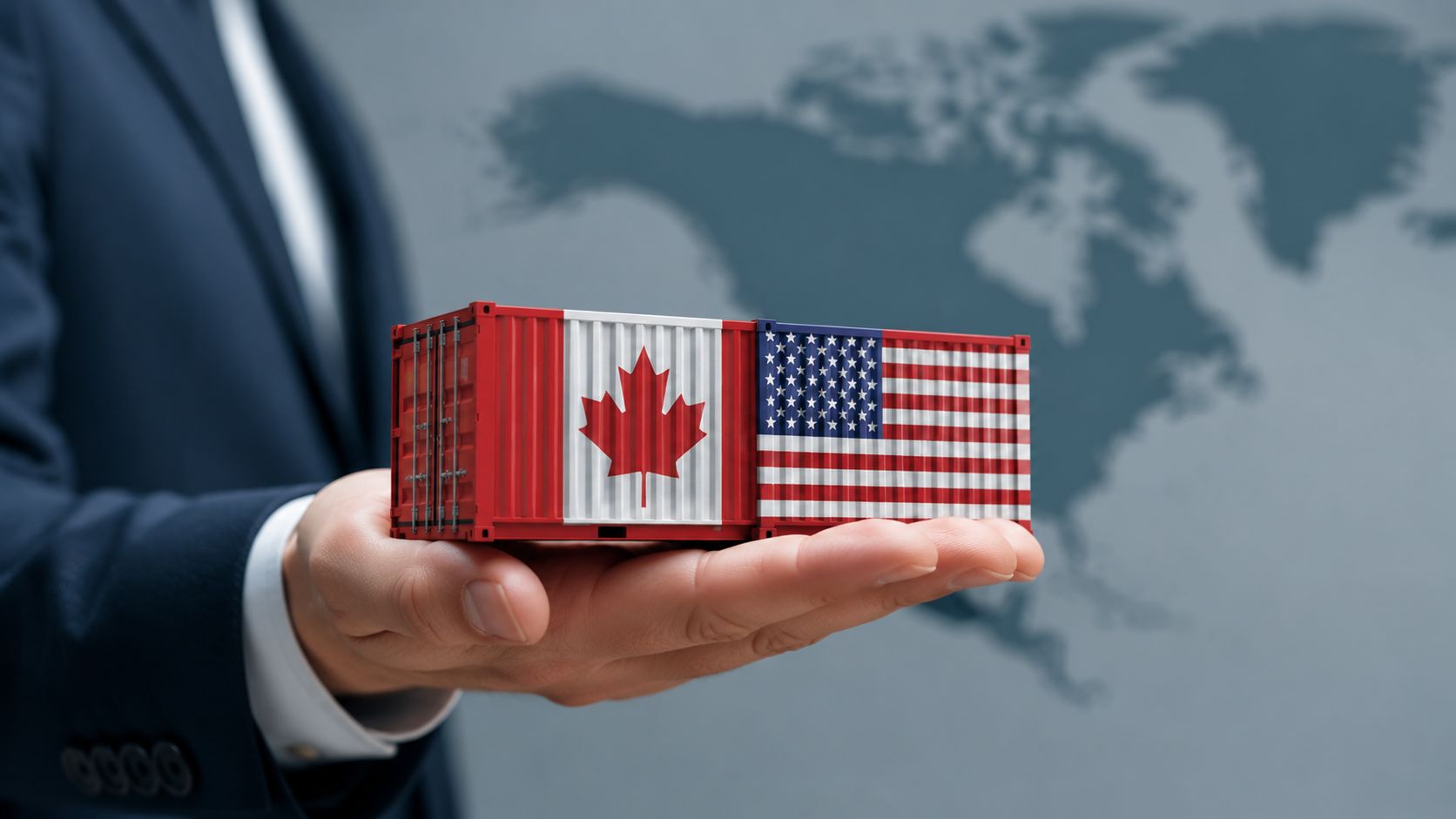
Selecting a Canadian customs broker can be stressful when each misstep puts valuable shipments at risk of delays or costly penalties. With trade between Canadian and United States businesses topping over 700 billion dollars every year, the impact of your broker decision carries real weight. This guide highlights essential steps for evaluating qualifications, compliance, and support so you can confidently secure seamless cross-border trade.
Table of Contents
- Step 1: Define Your Import And Export Requirements
- Step 2: Assess Broker Credentials And Compliance History
- Step 3: Compare Service Offerings And Communication Support
- Step 4: Verify Technology Integration And CARM Readiness
- Step 5: Confirm Fees, Transparency, And Ongoing Support
Quick Summary
| Key Point | Explanation |
|---|---|
| 1. Define your requirements | Understand documentation and regulations for cross-border trade to avoid delays and compliance issues. |
| 2. Assess broker credentials | Verify licensing and compliance history to ensure regulatory understanding and effective navigation of trade challenges. |
| 3. Compare service offerings | Evaluate brokers based on their support services and communication to meet your unique trade needs. |
| 4. Verify technology readiness | Ensure broker can integrate with CARM systems for efficient processing and compliance with digital requirements. |
| 5. Confirm fees and transparency | Request detailed fee structures and support commitments to establish a reliable and cost-effective partnership. |
Step 1: Define your import and export requirements
Defining your import and export requirements is the critical first step in securing compliant cross-border trade. This foundational process involves understanding the specific documentation, regulatory standards, and procedural nuances that govern commercial shipments between Canada and the United States.
To effectively define your requirements, begin by conducting comprehensive research into the specific regulations for your product category. Different goods face unique import and export protocols based on their classification, value, and intended use. You’ll want to review detailed export documentation requirements to understand precisely what paperwork and declarations are mandatory for your specific merchandise. Critical areas of focus include product classification under Harmonized System (HS) codes, determining applicable tariff rates, and identifying any specialized permits or certifications required for your specific goods.
Your research should encompass examining the specific entry requirements from both Canadian Border Services Agency (CBSA) and United States Customs and Border Protection (CBP). This involves understanding not just the documentation, but also potential restrictions, duty rates, quota limitations, and any special licensing needed for your particular product category. Pay close attention to regulations concerning product safety standards, labelling requirements, and potential restricted or prohibited items that might complicate your cross-border shipment.
Pro tip: Create a comprehensive compliance checklist for your specific product category, detailing all required documentation, permits, and regulatory standards before initiating any international shipment. This proactive approach will help you avoid potential delays, fines, or shipment rejections at the border.
Step 2: Assess broker credentials and compliance history
Assessing a customs broker’s credentials and compliance history is a pivotal step in selecting a reliable partner for your cross-border trade operations. This evaluation helps ensure you are working with a professional who understands complex regulatory requirements and can navigate potential challenges effectively.
Begin your assessment by verifying the broker’s professional licensing and ongoing certification status. Import and export compliance requirements mandate that customs brokers maintain specific educational credentials and continuous professional development. Look for brokers who have completed required continuing education programmes, demonstrating their commitment to staying current with evolving trade regulations. Request documentation showing their licensing status with the Canada Border Services Agency (CBSA) and proof of recent professional training or recertification.

Conduct a thorough background check by reviewing the broker’s track record of compliance and performance. Request references from existing clients in your industry, examine their history of successful customs clearances, and investigate any past regulatory violations or disciplinary actions. Pay particular attention to their experience with your specific product category, as different merchandise types require nuanced understanding of import and export protocols. A reputable broker should be transparent about their compliance history and willing to provide detailed insights into their professional credentials and operational expertise.
Pro tip: Request a comprehensive compliance audit report from potential customs brokers, which should include their licensing credentials, recent professional training certificates, and a detailed breakdown of their successful customs clearance record across different product categories.
Step 3: Compare service offerings and communication support
Comparing service offerings and communication support is essential for selecting a customs broker that will provide comprehensive and responsive assistance for your cross-border trade needs. This critical evaluation ensures you partner with a broker who can effectively manage your unique import and export requirements.
Begin by thoroughly examining the range of export documentation services each potential broker offers. Look beyond basic customs clearance to identify brokers who provide end-to-end support including comprehensive documentation preparation, regulatory compliance consulting, and strategic trade advisory services. Evaluate their technological capabilities such as real time tracking systems, electronic documentation management, and digital communication platforms that can streamline your international shipping processes. Pay close attention to their ability to handle specific documentation for your product category, including specialized permits, certificates of origin, and complex customs declarations.
Assess the broker’s communication infrastructure and responsiveness by requesting detailed information about their client support protocols. Investigate their standard response times, dedicated account management approaches, and availability of multilingual support teams. A superior customs broker will offer transparent communication channels including direct contact information for your account representative, multiple communication methods like email, phone, and digital portals, and proactive updates about regulatory changes that might impact your shipments. Consider scheduling introductory consultations with potential brokers to directly evaluate their communication style, technical expertise, and willingness to provide customized support for your specific trade requirements.
Pro tip: Request a detailed service level agreement that explicitly outlines communication response times, reporting frequencies, and specific support protocols to ensure your expectations are clearly defined and contractually guaranteed.
Step 4: Verify technology integration and CARM readiness
Verifying technology integration and CARM readiness is a critical step in ensuring your customs broker can effectively manage your cross-border trade operations with maximum efficiency and compliance. This process involves evaluating your broker’s technological capabilities and their preparedness for the Canada Border Services Agency’s Assessment and Revenue Management (CARM) initiative.
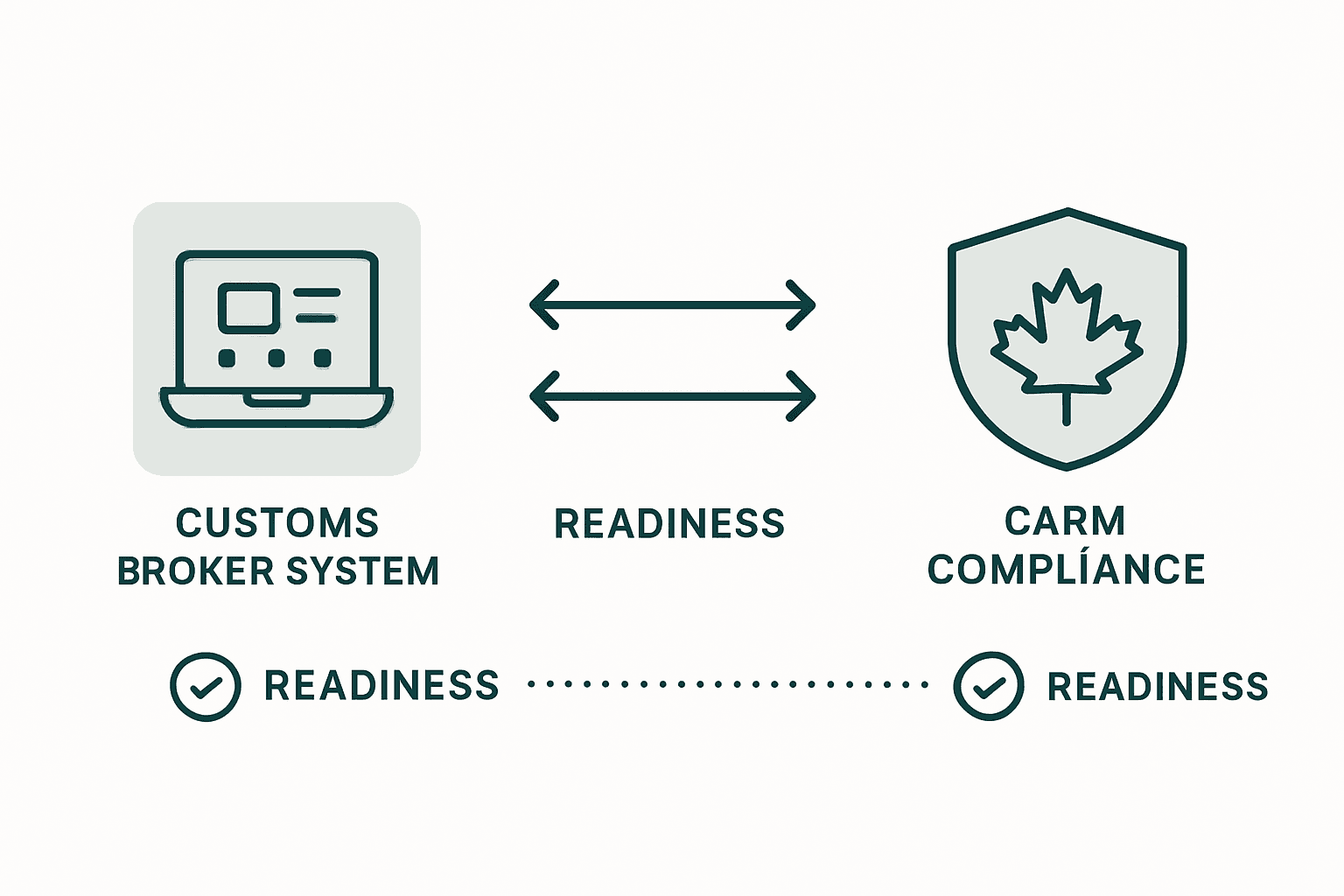
Begin by thoroughly assessing the broker’s technological infrastructure, focusing on their ability to seamlessly integrate with CARM registration systems. Investigate their digital platforms’ compatibility with the Canada Border Services Agency’s electronic reporting requirements, including their capacity to handle automated classification, real time tracking, and digital documentation management. Verify that their systems can efficiently process Harmonized System (HS) codes, generate accurate commercial invoices, and provide comprehensive digital audit trails for your shipments.
Evaluate the broker’s specific CARM readiness by requesting detailed information about their implementation strategy, technological upgrades, and staff training programmes. A technologically advanced broker should demonstrate comprehensive understanding of the CARM system’s requirements, including digital payment mechanisms, automated accounting processes, and seamless integration with government trade platforms. Look for brokers who can provide transparent reporting, offer digital communication channels, and maintain robust cybersecurity protocols to protect your sensitive trade documentation.
Pro tip: Request a comprehensive technology and CARM integration demonstration from potential brokers, allowing you to directly observe their digital capabilities and understand how their systems will streamline your specific import and export processes.
Step 5: Confirm fees, transparency, and ongoing support
Confirming fees, transparency, and ongoing support is a crucial step in establishing a reliable and cost-effective relationship with your customs broker. This process involves carefully evaluating the financial and supportive aspects of your potential brokerage partnership to ensure alignment with your business objectives and budgetary constraints.
Begin by requesting a comprehensive, itemized fee structure that details all potential charges associated with your specific import and export requirements. Export documentation services often include various fees beyond basic customs clearance, so ensure you understand the complete pricing model. Investigate whether the broker charges flat rates, percentage-based fees, or a combination of service fees. Request a detailed breakdown that includes potential additional costs such as inspection charges, documentation preparation, digital platform access, and any supplementary compliance consulting services. Pay careful attention to how the broker handles unexpected complications or regulatory changes that might impact your shipment costs.
Evaluate the broker’s approach to ongoing support by discussing their communication protocols, regulatory update mechanisms, and dedicated account management strategies. A superior customs broker should offer transparent, proactive communication channels that keep you informed about potential regulatory changes, compliance updates, and any emerging trade challenges that might impact your business. Look for brokers who provide regular reporting, offer strategic trade advisory services, and demonstrate a commitment to long-term partnership rather than transactional interactions. Request references from existing clients in your industry to validate the broker’s reputation for consistent, reliable support and willingness to adapt to evolving trade requirements.
Pro tip: Negotiate a service level agreement that explicitly outlines fee structures, communication expectations, and ongoing support commitments to ensure complete transparency and alignment with your business needs.
Here’s a summary of key considerations when choosing a customs broker:
| Evaluation Area | What to Assess | Why It Matters |
|---|---|---|
| Credentials & Licensing | Verify up-to-date certification | Ensures regulatory compliance |
| Compliance History | Review past violations and clearances | Minimizes risk of shipment issues |
| Service Offerings | Check range of documentation services | Supports diverse trade requirements |
| Communication Support | Assess response times and transparency | Enables timely issue resolution |
| Technology Integration | Examine digital systems and CARM readiness | Enhances efficiency and auditability |
| Fees & Transparency | Request detailed fee structure | Avoids hidden costs and surprises |
Choose a Trusted Partner for Seamless Cross-Border Trade
Navigating the complex world of customs brokerage requires more than just paperwork. The article highlights critical challenges such as verifying broker credentials, ensuring CARM readiness, and securing transparent fees. These are exactly the pain points Canadian and American businesses face every day when importing or exporting commercial goods. With over 50 years of family-run expertise, J.W. Smith Customs Broker Ltd. understands these hurdles and offers personalized service with one dedicated point of contact to simplify your customs process.
Avoid costly delays or compliance risks by partnering with a licensed broker who specializes in Canadian customs clearance and export documentation for shipments to the USA. We provide comprehensive support including customs consulting, freight delivery, CARM registration, and import bond acquisition. Don’t leave your business exposed to unexpected regulatory challenges. Explore how our proven technology integration and transparent fee structures can protect your shipments and keep your operations running smoothly.
Ready to secure your compliant cross-border trade right now Explore our complete range of customs brokerage solutions and request a detailed estimate at Get Your Customs Brokerage Estimate Visit J.W. Smith Customs Broker Ltd. to learn more and take the first step toward worry-free trading today.
Frequently Asked Questions
What are the key factors to consider when selecting a customs broker?
Selecting a customs broker requires assessing their credentials, compliance history, service offerings, communication support, technology integration, and fee transparency. Conduct thorough research to ensure you choose a partner that meets your unique import and export needs while adhering to the necessary regulations.
How can I verify the credentials of a customs broker?
To verify a customs broker’s credentials, check their licensure and ongoing certification statuses. Request documentation that shows their licensing with relevant regulatory agencies, including proof of recent professional training or recertification.
What specific services should I expect from a customs broker?
You should expect a customs broker to provide a range of services, including documentation preparation, regulatory compliance consulting, and real-time shipment tracking. Evaluate their offerings to ensure they can address your specific trade requirements effectively.
How do I assess a customs broker’s technology readiness for CARM?
Assess a customs broker’s technology readiness for the Canada Border Services Agency’s Assessment and Revenue Management by verifying their compatibility with electronic reporting systems. Request a demonstration of their digital capabilities to ensure they can efficiently manage your import and export processes.
What should I include in my agreement with a customs broker?
In your agreement with a customs broker, include detailed fee structures, communication expectations, and service level commitments. Explicitly outline all terms to ensure transparency and mutual understanding throughout your partnership.
How can I ensure ongoing support from my customs broker?
To ensure ongoing support from your customs broker, discuss their communication protocols and update mechanisms upfront. Look for brokers who commit to proactive communication regarding regulatory changes and provide regular reports on your shipments.
Recommended
- How to Choose the Right Customs Broker for Your Business | J.W. Smith Customs Brokers
- How a Customs Broker Can Help You Save Time and Money | J.W. Smith Customs Brokers
- Customs Brokerage in 2025: Navigating New Trade Realities | J.W. Smith Customs Brokers
- How to Streamline Your Customs Clearance Process | J.W. Smith Customs Brokers
- Tipos de seguro de transporte internacional: Explicación completa
- Cost of Confidential Disposal in 2025: A Guide for UK Businesses - Venture Waste
Need Help with Customs?
J.W. Smith Customs Brokers has over 50 years of experience helping Canadian businesses navigate imports with confidence. Our team of licensed customs brokers is ready to assist with your import and export needs.