How a Customs Broker Can Help You Save Time and Money

In 2025, global trade has become faster, yet more demanding. There is now more scrutiny, tighter enforcement, and stricter compliance rules on Canadian importers.
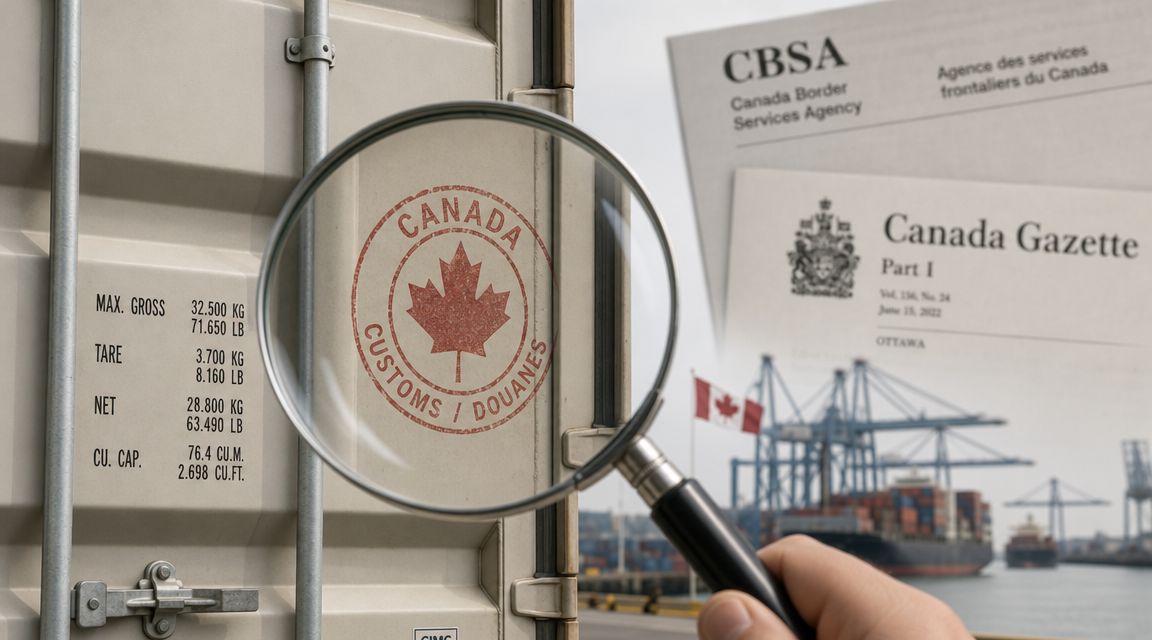
One of the changes is the Canada Border Services Agency's (CBSA) updated requirements for digital systems like CARM and ACI eManifest. These changes impact the declaration, release, and tracking of goods.
Any missing details or incorrect entries can lead to delays, unexpected duties, or serious penalties. Every mistake has a cost.
So, how do importers reduce delays and avoid fines? Customs broker services have proven to be the best support for cross-border businesses. They help international trade firms understand border regulations, utilize cost-saving strategies, and reduce import delays.
Outlook of the Canada Trade-Compliance in 2025
Today, every importer must deal directly with a new digital system called CBSA Assessment and Revenue Management (CARM). It was developed to manage duties, taxes, and security requirements online.
The platform went live in October 2024. A transition period followed, and the final grace window closed on 20 May 2025. From that point on, importers became fully responsible for posting financial security on their own.
Previously, customs brokers could post that security through a shared Release Prior to Payment (RPP) account. This allowed goods to clear before duties were paid. However, this is no longer the case. Importers without their financial security cannot release their shipments. Goods are held automatically.
The CBSA also tracks missed filings and blocks non-compliant shipments. Errors can trigger penalties under the Administrative Monetary Penalty System (AMPS). In some cases, even a late document can lead to hundreds of dollars in fines.
To make things more complicated, tariff rates on many Canadian exports are rising. In just a few weeks, some U.S. duties jumped to 35%. Costs now change with little warning. This creates confusion when calculating landed costs and increases the risks of misclassification, overpayments, and customs audits.
The compliance process is no longer easy. CARM requires precision. Every code, form, and declaration must be correct. Importers are now expected to interpret tariff tables, calculate security amounts, and update classifications without delays. Thus, customs regulations help is essential.
Here are the three main ways in which customs broker services help international trade businesses save time and money:
1. Electronic pre-lodgement and major time savings
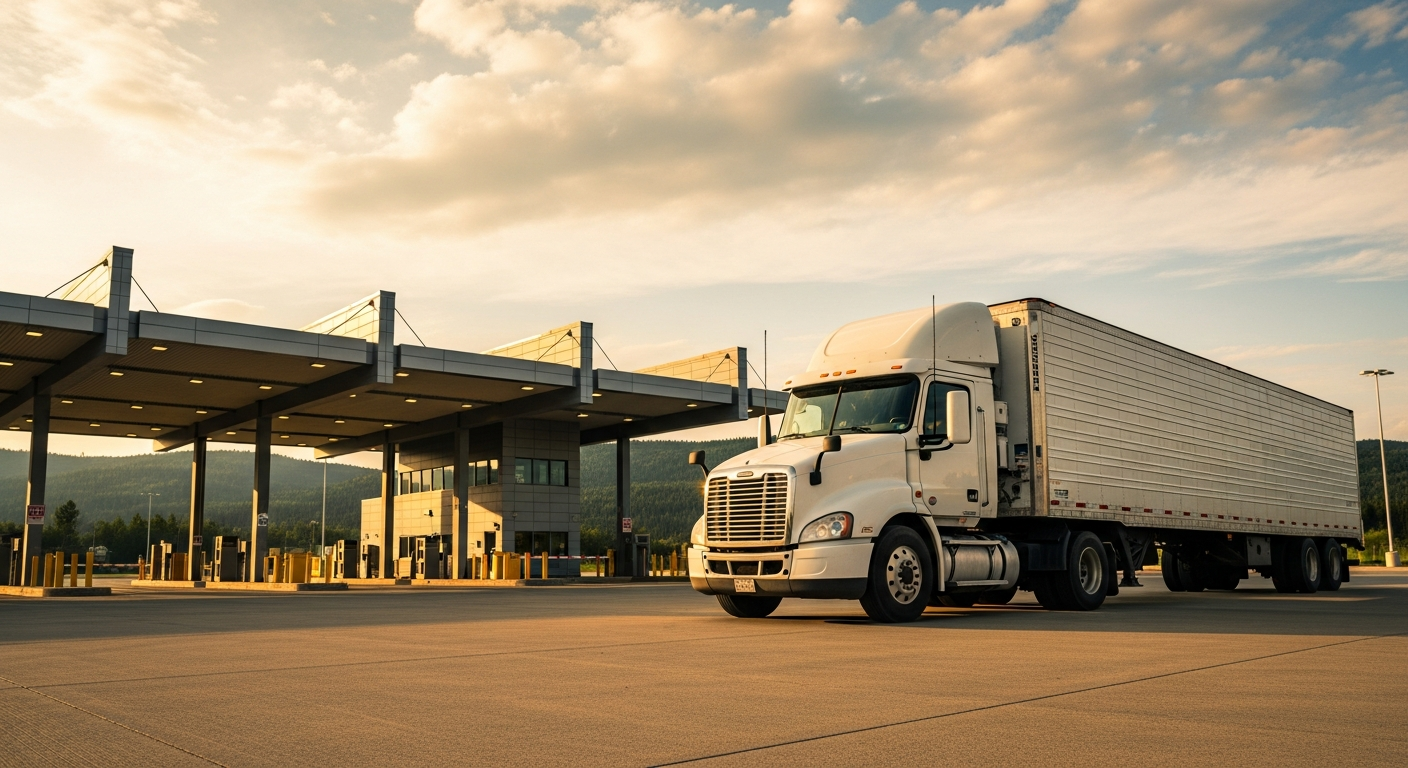
Border clearance starts long before a shipment arrives. The moment goods leave a warehouse, the information must move faster than the truck.
Through the ACI eManifest system, licensed customs brokers submit all required details ahead of time. This includes the carrier's information, cargo description, estimated arrival time, and relevant documents. Submitting this data electronically allows the CBSA to review and process entries in advance.
When shipments are pre-cleared, trucks don't sit idle at the border. In many cases, what normally takes up to 24 hours gets reduced to just 3 or 4. The difference impacts schedules, warehousing, fuel use, and driver time.
Logistics managers also benefit from customs broker services, which come with visibility. They can monitor submission status and spot issues early through the CARM portal or EDI-connected dashboards.
2. Duty-rate optimisation and effective cost control
Every shipment comes with duty costs. However, those costs are not fixed; they can drop sharply with the right classification and trade program.
Customs brokers understand how to apply the correct tariff treatment. It starts with the HS code, a number assigned to all products, which determines the duty rate. One small change in wording or code can shift a rate from high to low.
Trade agreements also lower costs. Here are the major ones used in Canada:
- Canada-United States-Mexico Agreement (CUSMA)- Comprehensive and Progressive Agreement for Trans-Pacific Partnership (CPTPP)- Canada-European Union Comprehensive Economic and Trade Agreement (CETA)
Goods that qualify under these programs usually receive reduced or zero tariffs. For example, a C$100,000 shipment classified at 20% may drop to 5% under a valid trade agreement — this saves C$15,000.
Customs broker services also spot overlooked cost exemptions. These include tariff remissions, product exclusions, or Special Import Measures Act (SIMA) clauses. These details are easy to miss, but make a big difference.
3. Compliance risk mitigation and penalty avoidance
Late filings or misclassified goods lead to automatic penalties. One example is Contravention C288. This fine applies when importers fail to submit proper accounting within the allowed time. The penalty starts at C$100 per day overdue. The more overdue entries, the higher the costs.
Another common issue is unpaid duties. In that case, Contravention C336a applies. The violation starts at $200 and increases with each repeat. These charges fall under Canada's Administrative Monetary Penalty System (AMPS).
Errors in the B3 entry form, such as incorrect product value or wrong HS code, can lead to shipment holds or inspections. Those issues waste hours and disrupt supply chains.
Expert customs broker services prevent these issues before they happen. They also avoid fines linked to late payments, incorrect values, or poor classification.
J.W. Smith Brings Precision, Speed, and Confidence With Expert Customs Broker Services
Over one million shipments have moved across Canadian borders with J.W. Smith at the helm. This figure reflects consistency, precision, and earned trust in a space where mistakes carry real costs.
Our team supports importers and exporters across industries by air, land, and sea. Each shipment (such as container loads and time-sensitive cargo) is managed by experienced customs brokers.
What sets us apart is personal service and technical accuracy. The team works closely with importers, cross-border businesses, logistics managers, wholesalers, and manufacturers to classify goods correctly, plan duties effectively, and avoid fines and other setbacks.
When policies change or disputes arise, we provide accurate, up-to-date customs regulations help. Our customs broker services enable clients to reduce import delays linked to late entries or misclassified goods.
Does your next shipment need the best customs regulations help? Reach out to us today at 1-888-528-3059, or contact us online to speak with a specialist. We will review shipment details, answer compliance questions, and create a standard clearance plan that saves time, reduces risks, and improves the supply chain.
FAQs
What if a shipment is flagged for inspection at the border?
Licensed customs broker services engage directly with the CBSA, resolve document issues, and expedite follow-ups. This shortens clearance and helps reduce import delays caused by secondary reviews, offloading, or temporary holds.
How long does onboarding a customs broker services team take?
Onboarding takes two to four weeks. This covers BN setup, eManifest and CARM portal access, and aligning tariff classifications. Early planning ensures a smooth transition to professional customs broker services.
Need Help with Customs?
J.W. Smith Customs Brokers has over 50 years of experience helping Canadian businesses navigate imports with confidence. Our team of licensed customs brokers is ready to assist with your import and export needs.