How Long Does Customs Clearance Take?

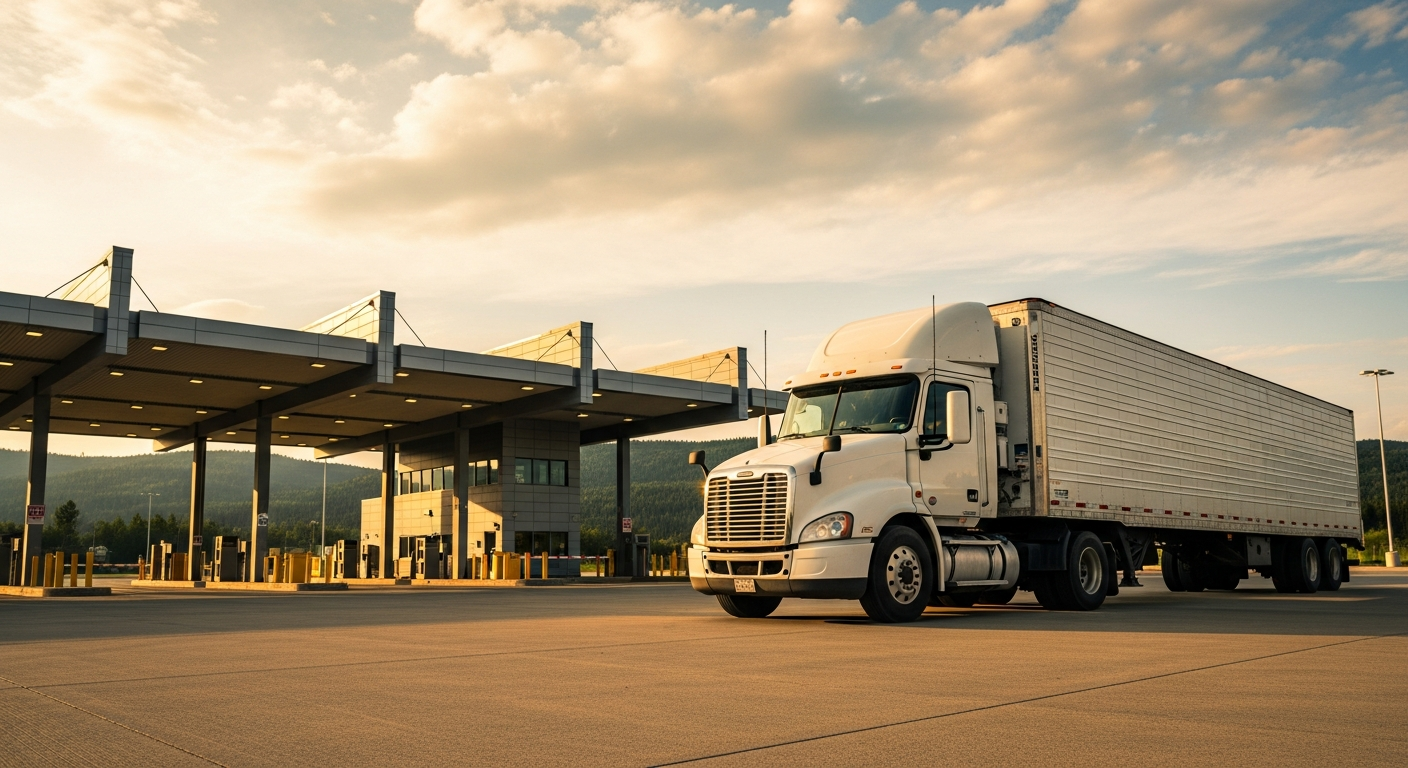
In Ontario’s competitive import and export space, time is money, and delays at the border can easily disrupt entire supply chains. Whether businesses are moving raw materials, vehicles, or specialized goods, smooth customs clearance is always essential to keep operations running smoothly.
However, how long does the process really take, and what factors affect it?
This blog discusses the key elements that influence Canada’s customs clearance times, common challenges businesses may face, and how working with an experienced customs broker can help companies avoid costly delays during border crossing and stay compliant.
What is customs clearance?
Customs clearance is the process by which goods are approved by a country’s authority to enter or exit its border.
For businesses, this entails ensuring that shipments comply with local laws, regulations, and tariffs. In Canada, this process is overseen by the Canada Border Services Agency (CBSA), which handles millions of commercial shipments annually.
Factors That Influence Customs Clearance Times
Below are several factors that can affect how long customs clearance in Canada takes for businesses:
1. Documentation requirements
Accurate paperwork is important for quick customs clearance. Businesses must provide documents such as bills of lading, packing lists, invoices, and required permits. Any missing or incorrectly filled paperwork can lead to delays.
2. Type of goods
The nature of the goods being imported and exported can influence Canada’s customs clearance times. For instance, vehicles and specialized equipment often require additional inspections and regulatory compliance checks, which can lengthen the process compared to regular consumer products.
Additionally, items like electronics or pharmaceuticals may be met with more stringent inspections, resulting in further delays in the supply chain.
3. Country of origin and destination
Customs regulations vary from one country to another. Often, this could be a factor that drives long clearance times.
Goods from countries with stringent import laws, such as China/India, may require more time for inspections and approval due to rigorous documentation and compliance checks. In contrast, goods from countries with favourable trade agreements, such as Mexico or the United States, may seamlessly scale past customs clearance in Canada quickly because of simplified processes and reduced tariffs.
4. Compliance with tariffs and duties
Tariffs are taxes imposed by the Canadian government on imported goods to raise revenues. Duties are specific fees charged on a particular item based on their classification and value when they cross the border. If a shipment does not comply with tariff regulations or if additional duties are required, Canada’s customs clearance agents may need extra time to resolve the issue.
For example, if a company imports machinery from Europe but misclassifies the goods, which results in an incorrect duty assessment, then customs will require additional documentation and classification, thus leading to more delays.
To expedite the process, businesses should always ensure that all goods are properly defined and classified.
How long does customs clearance take?
In Canada, the time it takes for customs clearance can vary based on several factors, including the type of goods being shipped and the time of year.
- Standard shipments: For most common goods, customs clearance usually takes less than 4 hours. This estimate assumes that all required documents are accurate and complete. If everything is in order, customs officials can quickly review the shipment and accept the submitted customs declaration.
- Vehicles and special goods: When importing vehicles or specialized items, clearance can take longer due to stricter rules and extra inspections. As a result, customs clearance for these goods might take several days or even weeks.
- Peak seasons and holidays: Customs clearance times in Canada can also be longer during busy seasons, like the holidays. During these times, customs offices deal with a larger number of shipments, which can slow down the process. Businesses should plan for these delays and consider them in their shipping schedules.
Other Key Information to Know
When engaging in Canada customs clearance, it is important to be aware of specific challenges and other processes that may affect your import activities, particularly when it comes to vehicles and non-resident importing.
- Importing vehicles: A major challenge in importing autos to Canada is age. Vehicles over 15 years old are usually exempted from any stringent emission standards and safety regulations that apply to newer models. However, newer models must also meet the Canadian government’s safety and emission standards.
This means that importers have to provide documentation that validates compliance with these standards, including the Vehicle Import Form (Form 1) and proof of ownership. Failure to meet these requirements will lead to delays or even rejection of the import application.
- Non-resident importing: Non-resident importing allows foreigners to import goods into Ontario, Canada, without having a physical presence in the country. To take advantage of this, businesses must register as a non-resident importer with the CBSA and proceed to provide necessary documentation like proof of business, associated registrations, and compliance with Canada’s customs clearance regulations.
These two processes are important for businesses involved in importing to ensure compliance and efficiency in operations.
Frequently Asked Questions About Canada Customs Clearance
Here are some of the most frequently asked questions about Canada’s customs clearance, along with clear answers to assist businesses in navigating through the process.
What documents are required for customs clearance in Canada?
Businesses must provide a bill of lading, commercial invoices,free trade agreements and any necessary permits. Proper documentation is always required for compliance and to avoid delays in clearance processes.
How can I track my shipment during customs clearance?
Importers can track shipments through the carrier’s tracking systems. You can also track a cargo control number through our PARS tracker on jwsmith.com to find its customs clearance status.
What should I do if my shipment is delayed at customs?
As a business in Ontario, it is recommended to contact a reputable local custom broker or carrier for updates and clarify the reasons for the delay.
Get Started With J.W. Smith Customs Broker Ltd.
Over the years, Ontario has become an economic giant and has even played an important role in Canada’s trade industry. According to a data report from the Observatory of Economic Complexity, Ontario exported approximately C$226 billion in 2023, making it the largest exporting province in Canada. On the import side, Ontario also led the country with around C$235 billion in imports.
These trade statistics further illustrate the vital need for efficient customs clearance processes. While the Canadian government has implemented strategies and policies to aid smooth clearance activities, there are often concerns about complications and delays—this is what we aim to simplify.
Being one of the most reputable customs clearance brokers in Ontario, J.W. Smith Customs Broker Ltd. manages tariff codes and leverages expert insights to streamline import processes.
Whether you're importing screws or sports cars , our dedicated team is here to assist. We manage regulatory compliance, documentation, and clearance to ensure a smooth process.
Additionally, our Non-Resident Import Service allows businesses to easily establish themselves as Canadian importers, thus expanding their reach in the Canadian market.
With our support, companies can concentrate on their core activities while we take care of the complexities of international trade.
Focus on Business While We Handle Customs Clearance
Customs clearance is an essential part of importing and exporting goods in Canada, involving several steps to ensure compliance with Canadian regulations. Having core knowledge of these responsibilities and the required documents allows businesses to scale the process confidently.
However, many companies face challenges with document submissions, goods classification, and calculating taxes and duties.
At J.W. Smith Customs Broker Ltd., we have a team of skilled experts in Canada’s customs clearance regulations. We can manage all submissions and processing, thus helping businesses avoid delays and stay compliant.
For more information, call us at 1-888-528-3059 or contact us online for seamless importing and exporting clearance operations.
Need Help with Customs?
J.W. Smith Customs Brokers has over 50 years of experience helping Canadian businesses navigate imports with confidence. Our team of licensed customs brokers is ready to assist with your import and export needs.