New Tariffs Effective March 4, 2025

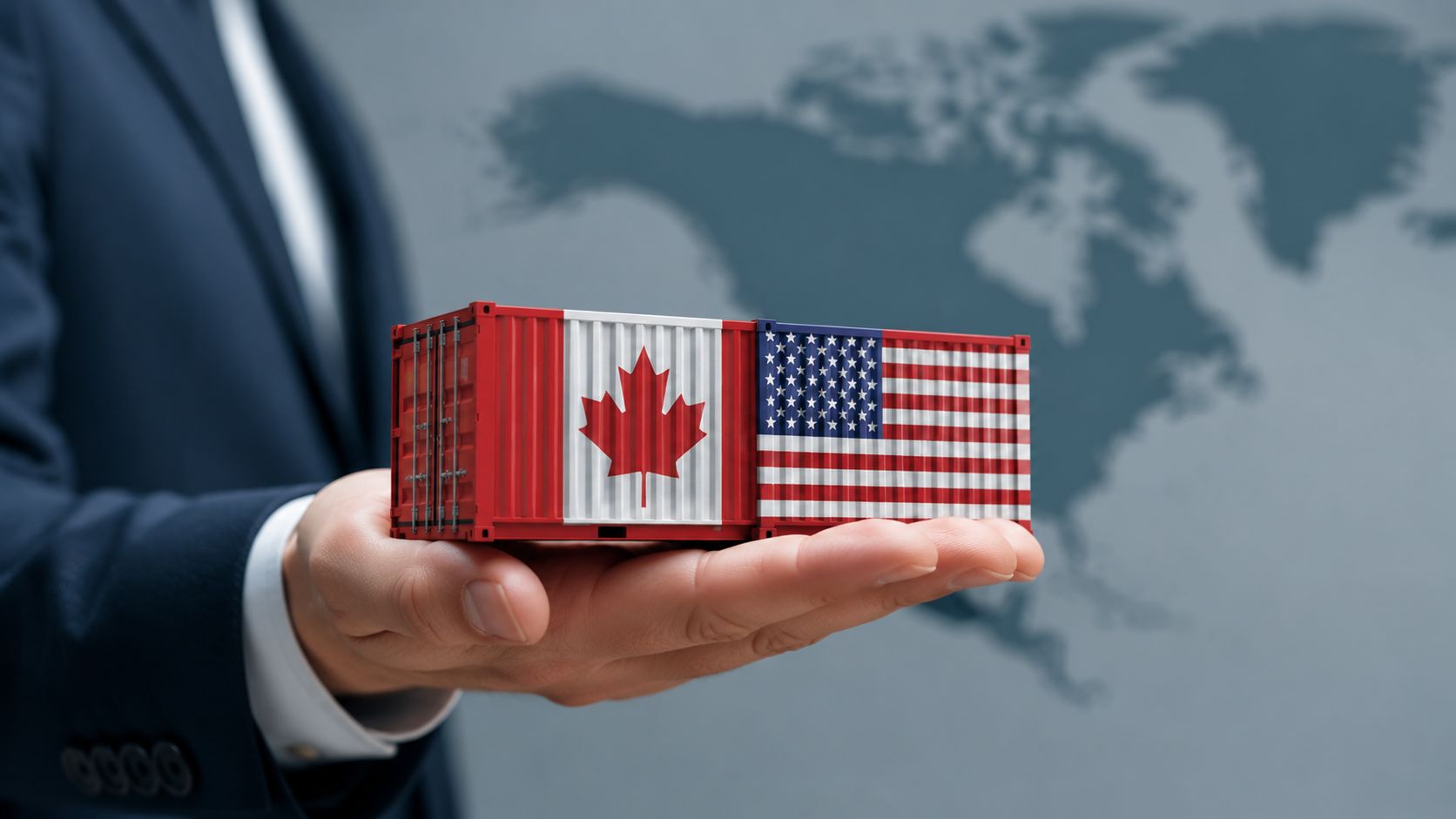
Significant changes to Canada-U.S. trade have taken effect, introducing new tariffs that will impact Canadian importers and exporters alike. These measures stem from escalating trade tensions and recent policy decisions on both sides of the border. At J.W. Smith, we’re here to break down what these tariffs mean for your business, how they’ll affect your supply chain, and what steps you can take to stay ahead. Let’s dive into the details.
To view the full March 4th list of effected products please go to: https://www.canada.ca/en/department-finance/news/2025/03/list-of-products-from-the-united-states-subject-to-25-per-cent-tariffs-effective-march-4-2025.html
To view the full March 13th list of effected products please go to: https://www.canada.ca/en/department-finance/news/2025/03/list-of-products-from-the-united-states-subject-to-25-per-cent-tariffs-effective-march-13-2025.html
The Big Picture: U.S. Tariffs on Canadian Goods
The United States has rolled out a sweeping tariff policy targeting Canadian exports. Here’s what you need to know:
- 25% Tariff on Most Goods: Nearly all Canadian goods heading to the U.S. now face a 25% tariff. This applies to everything from manufactured products to agricultural exports, significantly increasing costs for exporters.
- 10% Tariff on Energy Resources: Energy-related exports—like crude oil, natural gas, coal, and even critical minerals—face a lower 10% tariff. This distinction could offer a slight advantage to Canada’s energy sector, but it still adds costs to cross-border trade.
These tariffs were enacted under U.S. President Donald Trump’s executive orders, originally slated for February but delayed to March 4, 2025, after negotiations with Canada and Mexico. The goal? To address concerns like drug trafficking and trade imbalances. For Canadian businesses, this means higher costs for U.S. customers and potentially reduced competitiveness in the American market.
Canada Strikes Back: Retaliatory Surtax on U.S. Goods
Canada isn’t taking this lying down. In response, the government has introduced the [i]United States Surtax Order (2025)[/i], slapping a 25% surtax on a specific list of U.S. goods entering Canada. Here’s the rundown:
- Targeted Goods: The surtax applies to a wide range of U.S. products, including live poultry, meats, dairy, fruits, beverages (like mineral waters), and even some industrial items. The full list is detailed in the official tariff schedule—think hundreds of tariff codes you’ll want to check against your imports.
- Cost Impact: Importers will see an additional 25% duty on these goods, calculated based on the value for duty under the [i]Customs Act[/i]. That’s a hefty hit to your bottom line if you rely on U.S. suppliers.
This tit-for-tat approach mirrors past trade disputes, but the scale and timing—effective right now—mean immediate action is critical for businesses on both sides of the border.
What This Means for Your Business
Whether you’re exporting to the U.S. or importing from it, these tariffs will ripple through your operations. Here’s how:
- Exporters: If you ship to the U.S., your goods are now more expensive for American buyers. Non-energy products face the full 25% tariff, while energy resources get a break at 10%. You’ll need to assess whether your U.S. customers will absorb these costs or if you should explore alternative markets.
- Importers: Bringing in U.S. goods? Check if they’re on Canada’s surtax list. If so, you’re looking at a 25% price hike unless you can source elsewhere. Goods already in transit before today are exempt, but everything else is fair game.
Supply chain disruptions, higher consumer prices, and shifts in sourcing strategies are all on the table. The good news? We’re here to help you navigate it.
Practical Steps to Take Now
With these tariffs in effect, here’s what you can do to stay compliant and competitive:
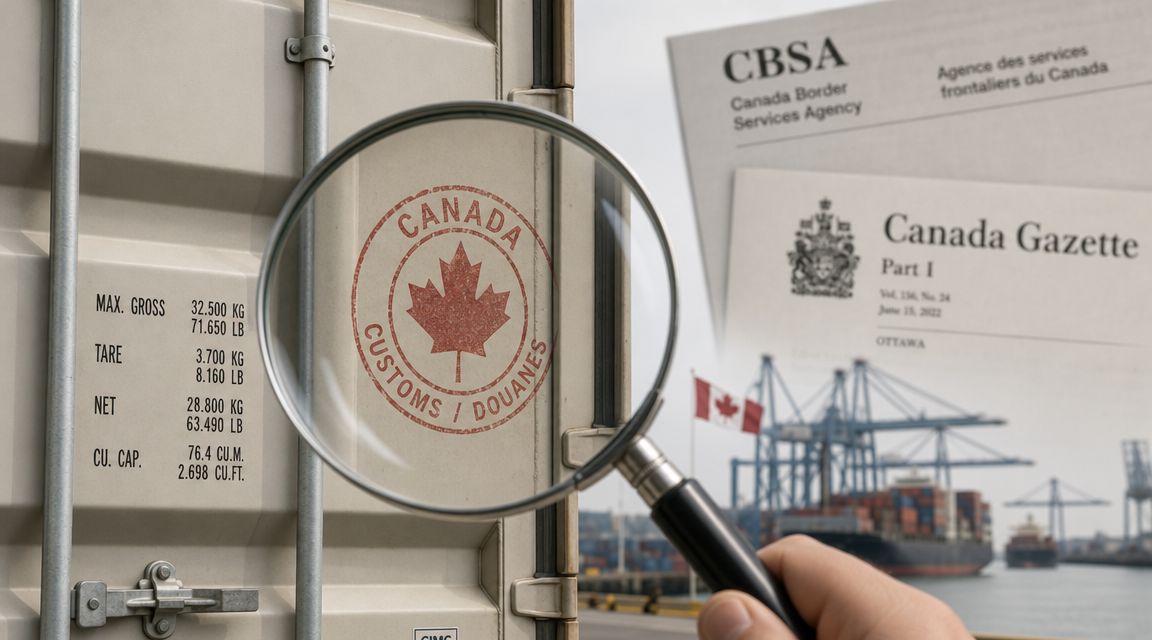
[ol]- Review Your Goods: Exporters, confirm if your products qualify as “energy resources” for the 10% tariff. Importers, cross-check your U.S. imports against the surtax list (available in the [i]Canada Gazette[/i] or via your customs broker).- Update Your Costs: Factor in the new tariffs or surtaxes to adjust pricing, budgets, and contracts.- Explore Alternatives: Could you source from non-U.S. countries to avoid the surtax? For exporters, are there markets outside the U.S. worth tapping?- Check Timing: Goods entered for consumption or withdrawn from warehouses on or after today are subject to these rates. If you’ve got shipments in limbo, let’s confirm their status.- Stay Informed: Tariffs could escalate if tensions rise further. We’ll keep you posted on any updates.[/ol]
We’ve Got Your Back
We understand that tariff changes can feel overwhelming. That’s why we’re here—to simplify compliance, optimize your customs processes, and help you adapt to this new reality. Whether it’s classifying goods, filing declarations, or exploring duty relief options, our team is ready to assist.
Need Help with Customs?
J.W. Smith Customs Brokers has over 50 years of experience helping Canadian businesses navigate imports with confidence. Our team of licensed customs brokers is ready to assist with your import and export needs.