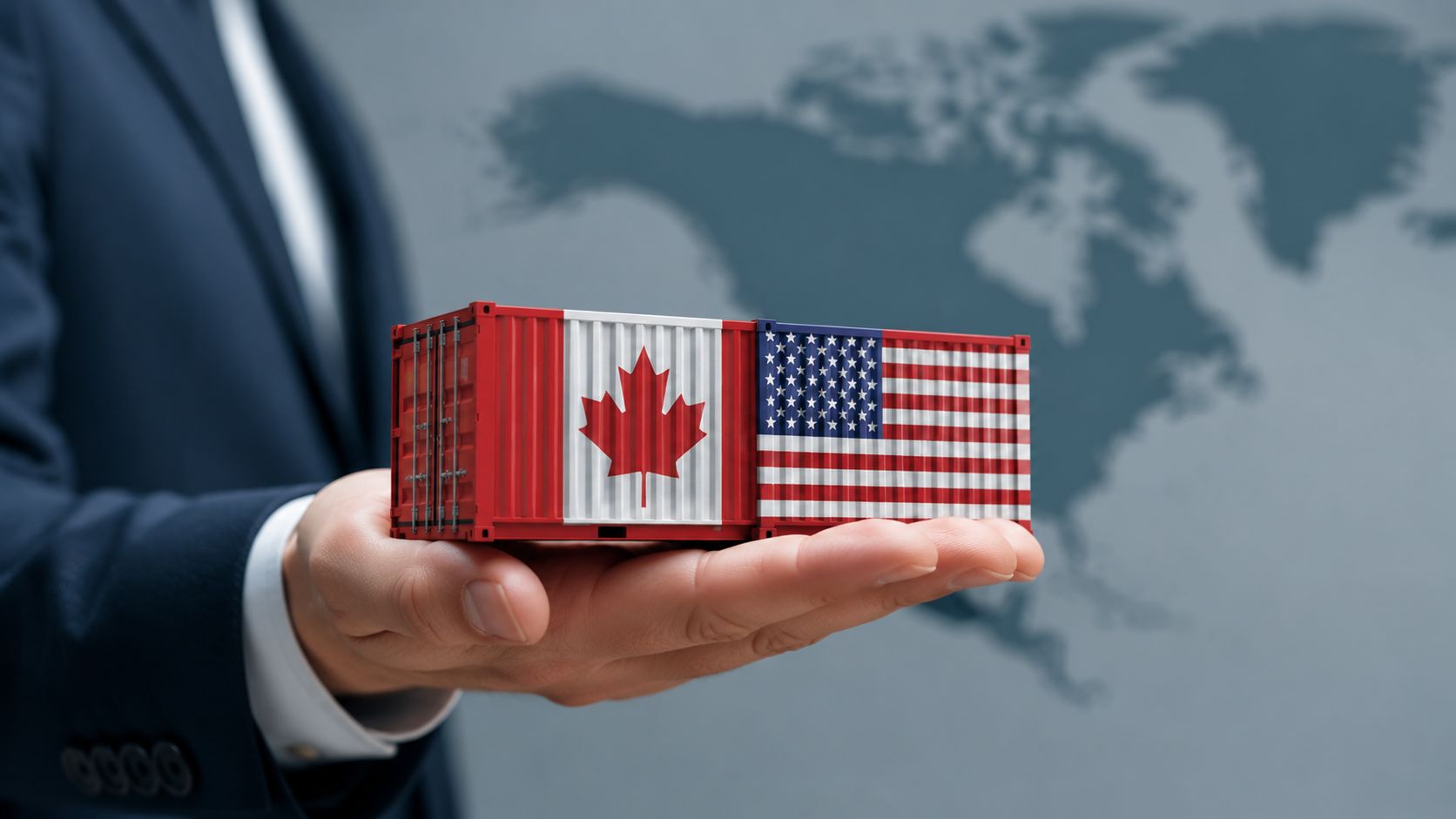
You're getting orders from Canada. Customers are asking about shipping, duties, and whether checkout prices include the surprise bill at the door. You know there's demand. You also know cross-border shipping can go sideways fast when no one owns the customs side properly.
That's where most U.S. sellers hesitate. They assume they need a Canadian company, a warehouse, or a minor miracle. Usually, they need a cleaner importer setup.
A Non-Resident Importer, or NRI, is often that setup. It lets a business outside Canada act as the importer for goods entering Canada, even without a Canadian office. Done properly, it gives you more control over landed cost, customer experience, and customs compliance. Done casually, it creates exactly the kind of border problems that ruin a good sales channel.
If you're still deciding how to structure your expansion, it also helps to compare Canadian business options before you assume incorporation is the first move. In many cases, the faster path is to start with an NRI model and build from there. For a broader look at the shipping side, this guide to exporting goods into Canada is a useful companion.
Tapping into the Canadian Market from Abroad
A practical non resident example looks like this. A U.S. seller has strong domestic sales, a Shopify store, and steady interest from Canadian buyers. The problem isn't demand. The problem is that cross-border orders feel messy.
The buyer asks simple questions. Are duties included? Who is the importer? Will the courier ask for money on delivery? Those questions sound small until they start costing you conversions and support time.
Why the NRI model matters
With an NRI setup, the foreign seller can take responsibility for importing the goods into Canada. That changes the experience for the customer. Instead of leaving customs, tax, and paperwork dangling in mid-air, you decide how the shipment enters Canada and who manages the obligations.
That matters because buyers don't care about your internal structure. They care whether the package arrives smoothly and whether the final price matches what they expected.
Practical rule: If your Canadian customer is acting like the importer by accident, your checkout experience probably isn't finished.
What works and what doesn't
What works is control. You set the process before the first shipment moves. You confirm who the importer of record is, how duties and taxes will be handled, and what records need to be kept. You also make sure your broker and logistics providers are working from the same file, not three different versions of the truth.
What doesn't work is treating Canada like “just another international destination” and hoping the carrier sorts it out. Carriers move freight. They don't absorb your legal responsibility.
For many U.S. sellers, the NRI route is the cleanest way to enter Canada without overbuilding on day one. It's not magic. It's a structured way to sell across the border without making your customer pay for your back-office indecision.
What Exactly Is a Non-Resident Importer
A Non-Resident Importer is a business outside Canada that acts as the importer of record for goods entering Canada. In plain English, you don't live in Canada, but you still take on the importer's responsibilities.
The easiest way to think about it is the guest host idea. You're hosting the shipment into Canada even though you're not based there. If anything on the customs side is wrong, the fact that you're “just visiting” doesn't help.
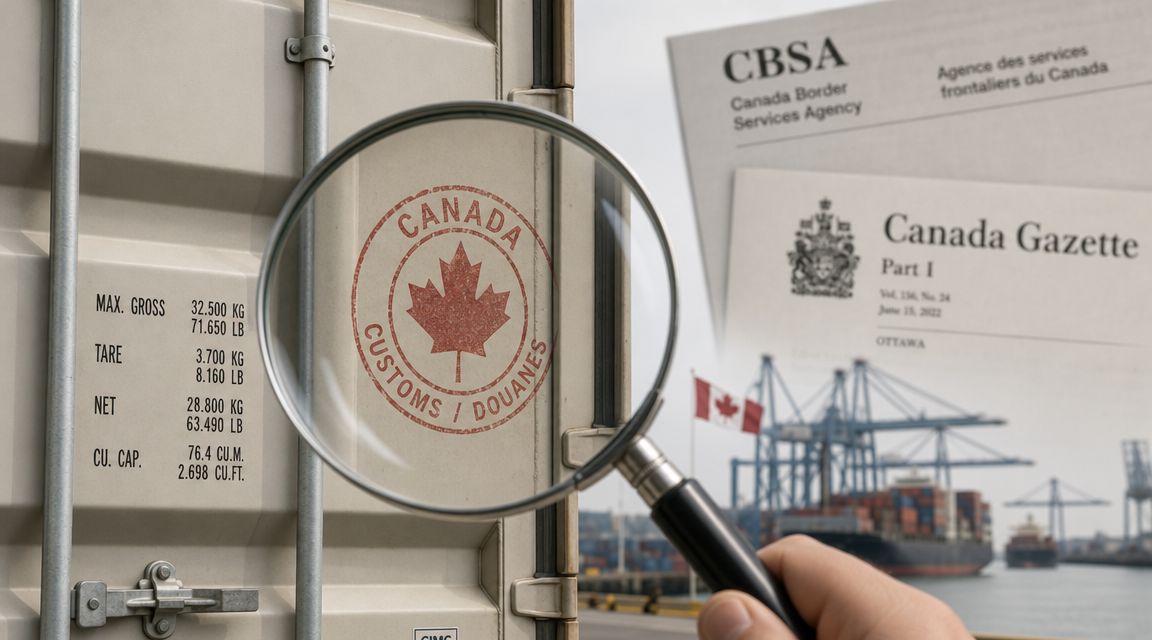
CBSA guidance makes the important part clear. Non-residents can be importers, but they must fully meet all accounting, security, and compliance obligations, and that matters even more under CARM because importers must manage their own import data and financial security in the portal through CBSA's CARM guidance.
The real distinction
A resident importer usually has a Canadian presence. A non-resident importer does not. That difference changes how the setup is handled, but it doesn't reduce accountability.
If you want the legal role behind the term, this explanation of the importer of record helps connect the customs title to the day-to-day responsibility.
Resident Importer vs. Non-Resident Importer NRI At a Glance
| Attribute | Resident Importer | Non-Resident Importer (NRI) |
|---|---|---|
| Physical location | Based in Canada | Based outside Canada |
| Canadian presence | Usually has Canadian operations, staff, or premises | Can import without a Canadian office |
| Importer of record role | Can act as importer of record | Can also act as importer of record |
| Customs obligations | Responsible for accounting, compliance, and payment obligations | Responsible for accounting, compliance, and payment obligations |
| CARM involvement | Must manage importer data and security requirements | Must manage importer data and security requirements |
| Commercial use | Common for Canadian distributors and domestic businesses | Common for foreign sellers shipping direct into Canada |
Being outside Canada changes your address, not your responsibility.
Why this matters to a new U.S. client
Many first-time sellers assume the Canadian buyer should be the importer because the buyer is in Canada. Sometimes that arrangement is correct. Often it creates friction, pricing confusion, and avoidable clearance problems.
If you want a smoother sales model, the NRI setup gives you more control. You own the import side, present pricing more clearly, and avoid pushing customs decisions onto your customer at the last minute.
Three Common Non-Resident Importer Examples
Most businesses understand the term once they see it in motion. A good non resident example is rarely about theory. It's about who wants control of the shipment and who is willing to carry the importer responsibility properly.

A U.S. apparel seller on Shopify
A U.S. brand starts getting regular Canadian orders through its online store. Without an NRI model, the shipment may arrive with unpaid duties and taxes, and the customer gets the cheerful message that their package is waiting for more money. That's rarely a fan-favourite moment.
With an NRI setup, the seller can structure the import process so the goods enter Canada under the seller's importer profile. That gives the business better control over pricing, landed cost planning, and customer communication.
This model is especially useful when the brand wants to feel local to Canadian buyers without opening a Canadian company right away.
A European machinery supplier selling direct to Canadian factories
A German manufacturer sells specialised equipment to plants in Canada. The sale is business-to-business, high value, and time sensitive. The Canadian buyer wants the machine delivered and cleared properly, not a puzzle box of customs issues.
In this case, the foreign supplier may choose to be the NRI so it can manage the import side directly. That can help when the supplier wants consistency in documentation, classification, and delivery flow across repeat orders.
The upside is control. The trade-off is responsibility. If the paperwork is wrong, the border won't care that the machine is impressive.
A U.S. food distributor supplying a Canadian retail account
A U.S. distributor wins business with a Canadian grocery chain. The chain wants replenishment to run smoothly and doesn't want each shipment to become a debate about who handles import formalities.
The distributor can use an NRI model to support that relationship. It stays in charge of the import process, aligns customs handling with commercial terms, and reduces confusion between the shipper, consignee, and retail customer.
This kind of arrangement often works well when supply needs to be routine and predictable. Grocery buyers like surprises in seasonal flavours, not in customs paperwork.
The best NRI setups are boring in the right way. The shipment clears, the invoice matches the plan, and no one is improvising at the border.
The pattern behind all three
These examples look different, but they share the same logic:
- The seller wants control: Pricing, customs handling, and delivery experience matter to the brand.
- The buyer wants simplicity: Whether the customer is a consumer or a factory, they want the goods to arrive without administrative theatre.
- The importer role needs clarity: If no one owns that role cleanly, small issues become expensive ones.
Your Core Responsibilities as an NRI
Being a non-resident doesn't mean being lightly involved. It means you're fully on the hook while operating from outside Canada. That's manageable, but only if you treat the importer role as an operating function, not a box to tick.

You are the importer of record
If you act as the importer, you're responsible for the customs declaration. That includes the goods description, tariff classification, valuation, and the overall accuracy of what's filed.
Many new importers encounter difficulties. They focus on freight and forget that customs data is a separate discipline. A pretty invoice won't rescue a bad classification.
You need the right registrations and account structure
An NRI still needs to be properly set up to import into Canada. That includes the importer profile and the supporting account structure used to manage import obligations.
Under the current environment, this setup is more visible and more operational than it used to be. Importers now need to be prepared to manage their own importer data and security requirements through CARM.
Taxes are part of the operating model
If your business is selling into Canada as an NRI, taxes can't be treated like an afterthought. You need a clear process for how duties and applicable taxes are handled, charged, accounted for, and remitted where required.
The government's interest in tax collection is dependable. Let's call it one of the most stable institutions in North America.
Recordkeeping is not optional
You need to maintain import records properly. If the file isn't documented, defended, and retrievable, you don't really have a compliance process. You have optimism wearing business casual.
Keep the commercial documents, customs records, and supporting details organised from the start. Trying to rebuild a shipment file later is expensive and usually unpleasant.
Watch for this: The shipment may clear today and still create work later if the records don't support what was declared.
Product rules still apply
The NRI model doesn't exempt your goods from Canadian import rules. Product standards, labelling rules, and other government requirements still apply based on what you're importing.
That's why a good setup starts with the product itself. Before you worry about checkout design or sales growth, confirm that the goods can enter Canada the way you intend.
Navigating CARM and Bonds for Non-Residents
For most new NRIs, the biggest practical hurdle isn't the concept. It's the setup. Specifically, it's CARM, importer registration, and the financial security requirement that catches businesses off guard.

Start with the importer account
Before your first commercial shipment enters Canada, you need the proper importer account structure in place. For foreign businesses, that usually means getting the Canadian business registration elements needed for importing and linking them correctly to your customs activity.
This isn't the fun part of market expansion. Nobody frames their importer account paperwork on the wall. But it's the difference between a planned entry and a frantic one.
A solid backgrounder on the process is this guide to what CARM means for importers.
The bond issue that surprises people
Many new importers assume their broker's involvement covers all financial security requirements. It doesn't. Under the current model, importers are expected to manage their own security arrangements in the portal.
That means your business may need to post financial security to support Release Prior to Payment participation. If you're new to surety language, it helps to read about understanding freight broker performance bonds as background on how bond obligations work in transport and trade settings. The Canadian customs version has its own rules, but the discipline is similar. Security requirements are administrative until they suddenly stop your freight.
What a workable sequence looks like
Here's the order that tends to work best:
- Confirm the importer model first: Decide that your foreign business will act as the importer, and make sure your commercial terms match that decision.
- Set up the required Canadian importer registration pieces: Don't wait until freight is booked.
- Register and organise CARM access: The portal needs to reflect the actual importer and the correct delegated access.
- Arrange financial security if your release model requires it: Delays often stem from a lack of planning at this stage.
- Test the first shipment carefully: First shipment problems are usually process problems, not “bad luck.”
Don't mix customs residency with U.S. tax residency
This is a separate issue, but it trips people up. Canadian customs looks at the business import role. U.S. tax rules can turn on personal residency.
For U.S. federal tax purposes, a nonresident alien is someone who is neither a U.S. citizen nor a resident alien, and resident status depends on the green card test or the substantial presence test. The substantial presence test is met with at least 31 days in the current year and 183 days over a 3-year weighted lookback using 100% of current-year days, 33.3% of prior-year days, and 16.7% of days from two years earlier, as explained in the IRS topic on nonresident alien and resident alien status. Your Canadian NRI setup doesn't change those U.S. tax rules.
A business can have a clean Canadian importer structure and still create U.S. tax questions for travelling owners or staff. Don't let the acronym fool you into thinking these are the same residency test.
Where broker support matters
This is where outside help earns its keep. A broker can coordinate the setup sequence, help align documentation, and reduce the chance that your first live shipment becomes a training exercise under pressure.
One option in that process is J.W. Smith Customs Brokers Ltd., which handles customs clearance, CARM registration support, bond management, and non-resident importer setup for businesses shipping into Canada. The practical value isn't hype. It's having the importer, documentation, and release steps lined up before freight is waiting at the border.
Start Selling to Canada with J.W. Smith
The NRI model gives foreign sellers a direct way into Canada without forcing a full Canadian corporate build on day one. If you want cleaner pricing, more control over the customer experience, and fewer customs surprises, it's often the right structure.
The trick is setting it up as an operating model, not just a label. Importer of record decisions, CARM access, financial security, product compliance, and recordkeeping all have to line up. If one piece is loose, the rest of the process feels loose too.
A sensible rollout usually follows three steps:
- Assess the shipment model: Confirm what you sell, how it moves, who should be the importer, and what the customer experience should look like.
- Build the importer setup: Put the registrations, portal access, and security pieces in place before commercial volume starts.
- Run the first shipments tightly: Use the first entries to validate the paperwork, data flow, and release process while the stakes are still manageable.
Canada is a very international market. Statistics Canada reported 8.3 million foreign-born people in the 2021 Census, representing about 23.0% of Canada's population, which underscores how common cross-border commercial relationships are in practice according to Statistics Canada census context on the foreign-born population. For importers, that means non-resident trade activity isn't some odd edge case. It's regular business.
If you're getting traction in Canada, don't wait until a shipment is already booked to sort out the importer side. Border planning works best before the truck, courier, or container is moving.
If you need help turning an NRI plan into a working import setup, J.W. Smith Customs Brokers Ltd. can help you review your shipment model, set up the required importer and CARM pieces, and manage your first shipments into Canada with a compliant process from the start.
Need Help with Customs?
J.W. Smith Customs Brokers has over 50 years of experience helping Canadian businesses navigate imports with confidence. Our team of licensed customs brokers is ready to assist with your import and export needs.