Textiles and Apparel Imports: A Guide to Canadian Border Rules
Canada’s appetite for textiles imports and apparel shows no sign of slowing. In 2025, the apparel market alone is expected to reach $41.84 billion . It also has a projected growth rate (CAGR) of 2.46% from this year to 2029.
These figures tell a clear story. Canadian importers, wholesalers, and retailers heavily rely on overseas suppliers to meet customer demands. However, moving goods across borders is never simple. Every shipment must clear rules on labelling, paperwork, and import duties in Canada.
This guide breaks it down, covering Canadian textile law, apparel regulations, documentation, and the role of customs brokers in making trade smoother.
Why Border Rules Matter for Apparel and Textiles Imports
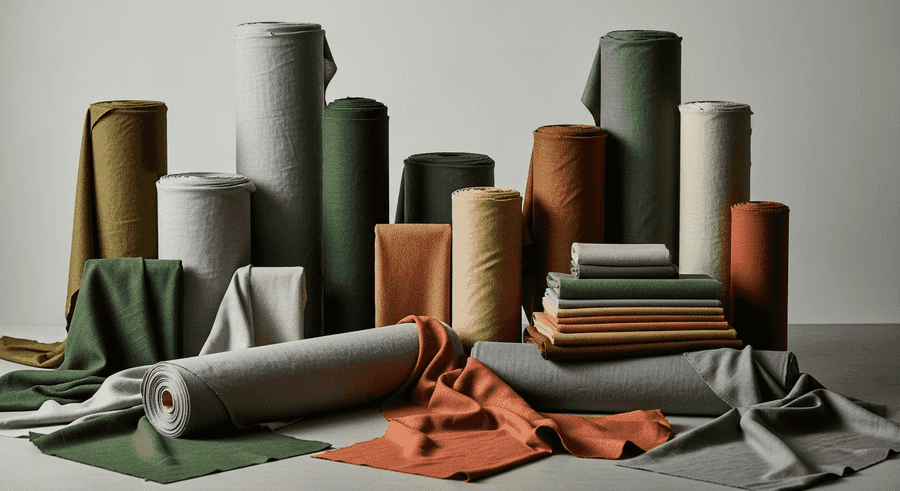
Textiles are raw or semi-finished materials such as fabric, yarn, or fibres that are later used to make other goods. Apparel refers to finished clothing products people wear, like shirts, pants, dresses, or jackets. Textiles are used to make apparel.
Both apparel and textiles imports are treated as sensitive goods for various reasons.
First, the global apparel trade is massive and highly competitive. Governments recognize that even minor abuses, such as misreporting prices or origins, can distort entire markets. This is why customs officers scrutinize these shipments more closely than they do with many other products.
Second, apparel is seasonal. If goods don’t clear on time, retailers miss out on selling opportunities. For importers, a delay of even a few weeks can turn a profitable shipment into unsellable stock. Customs rules help keep clearance predictable, thereby reducing costly risks associated with timing.
Finally, textiles imports involve public interest. The sector touches everyday life, affects millions of jobs worldwide, and plays a big role in international trade balances. Strong border enforcement ensures fair pricing, protects local workers, and maintains stable global trade flows.
Understanding Canadian Textile Law
Canadian textile law is built mainly on the Textile Labelling Act. This law establishes the framework for the introduction of clothing and fabric products into the market. It applies directly to textiles imports, making sure the item meets clear and consistent rules.
The Act requires labels to show fibre content, the country of origin, and to appear in both English and French. These rules create fairness. They stop misleading claims and give shoppers accurate information about what they buy. Textiles imports must meet these standards before they can be sold.
Furthermore, these rules protect trade. By forcing all players to follow the same system, Canadian textile law makes the market fair and predictable. When textiles imports are compliant, clearance moves faster and businesses avoid risk.
Apparel Regulations Importers Must Follow
Apparel regulations are also designed to protect buyers, support fair trade, and keep unsafe products off the market. They cover three main areas:
[ol]
- Labelling
- Flammability
- Consumer safety
[/ol]
Each rule matters. If one is ignored, customs can delay the shipment, issue penalties, or deny entry.
Children’s apparel is considered the most sensitive category due to the higher risks associated with it. A loose button can choke. A long drawstring can strangle. Untested fabric can burn too quickly. Due to these dangers, regulators inspect children’s clothing more closely than adult garments.
Common examples of items flagged at customs include sleepwear without fire safety tests, jackets with unsafe cords, and baby clothes with cheap metal snaps. For apparel and textiles imports, compliance is the only way to move goods smoothly and protect consumers.
Documentation and Compliance Checklist
Successful textiles imports start with the right paperwork. Customs look at every detail, and even small errors can lead to outright delays or fines. Here is the checklist importers must abide by:
- The first document is the commercial invoice. It confirms who is buying, who is selling, what the goods are, and their real value. Alongside this, a packing list shows how the shipment is organized (cartons, weights, and quantities).
- Next comes the certificate of origin, which proves where the goods were made. This document is important if importers claim lower tariffs under a trade agreement. For certain products, permits may be required, especially when the shipment includes restricted or sensitive materials.
- Another critical step is correct tariff classification. Apparel must be placed under the right code. A wrong code can trigger audits, extra duties, or penalties. Canadian textile law also mandates these requirements to reduce setbacks.
Import Duties in Canada (Costs to Plan For)
Import duties in Canada affect every textile and apparel shipment. Customs use these fees to protect local industries and collect government revenue. The Harmonized System (HS) code is the key tool.
Each product gets a code that tells customs exactly what it is. HS codes determine the duty rate, help track trade statistics, and make clearance faster.
Importers can reduce costs under trade deals. The Comprehensive and Progressive Agreement for Trans-Pacific Partnership (CPTPP) and the Canada-United-States-Mexico Agreement (CUSMA) offer lower or zero tariffs, but only if the origin is proven with proper documents.
The Broker Advantage
Customs brokers solve problems like misclassified shipments, missing documents, and wrong HS codes. With expertise in Canadian textile law and apparel policies, they review shipments before they are sent to the supplier. Paperwork is reviewed, HS codes are verified, and any potential errors are corrected.
For businesses shipping frequently or in large volumes, brokers turn uncertainty into predictability. These experts also assist importers in claiming all preferential tariffs under trade agreements, thereby reducing duties and expediting clearance.
J.W. Smith: Your Partner in Apparel and Textiles Imports
J.W. Smith Customs Broker Ltd. is a boutique broker offering customized service for every shipment. Each textile import receives personal attention, ensuring paperwork, HS codes, and duties are correct before reaching the border.
Compliance and Canadian apparel regulations are handled from start to finish. Our brokers’ support extends to all ports across Canada and the U.S., making cross-border trade seamless.
Even better, we are a zero-strings-attached company. Clients are not tied down by any service agreement that cannot be broken. We are also very confident in our ability to provide the best textiles and apparel import services, which is why we back it up with a 100% money-back guarantee.
From small batches to large volumes, every shipment gets the same commitment. For more information on your textiles imports, talk to J.W. Smith today at 1-888-528-3059 or contact us online.
Need Help with Customs?
J.W. Smith Customs Brokers has over 50 years of experience helping Canadian businesses navigate imports with confidence. Our team of licensed customs brokers is ready to assist with your import and export needs.