The Importance of Tariff Codes in Customs Clearance

International trade can feel like a big maze, full of rules, paperwork, and challenges. For businesses that import or export goods, tariff codes are one of the most important tools for navigating this maze.
These codes are special numbers used for the classification of goods, and they play a key role in customs clearance. They also help determine things like customs duties, import taxes, and whether imported or exported goods meet the rules for crossing borders.
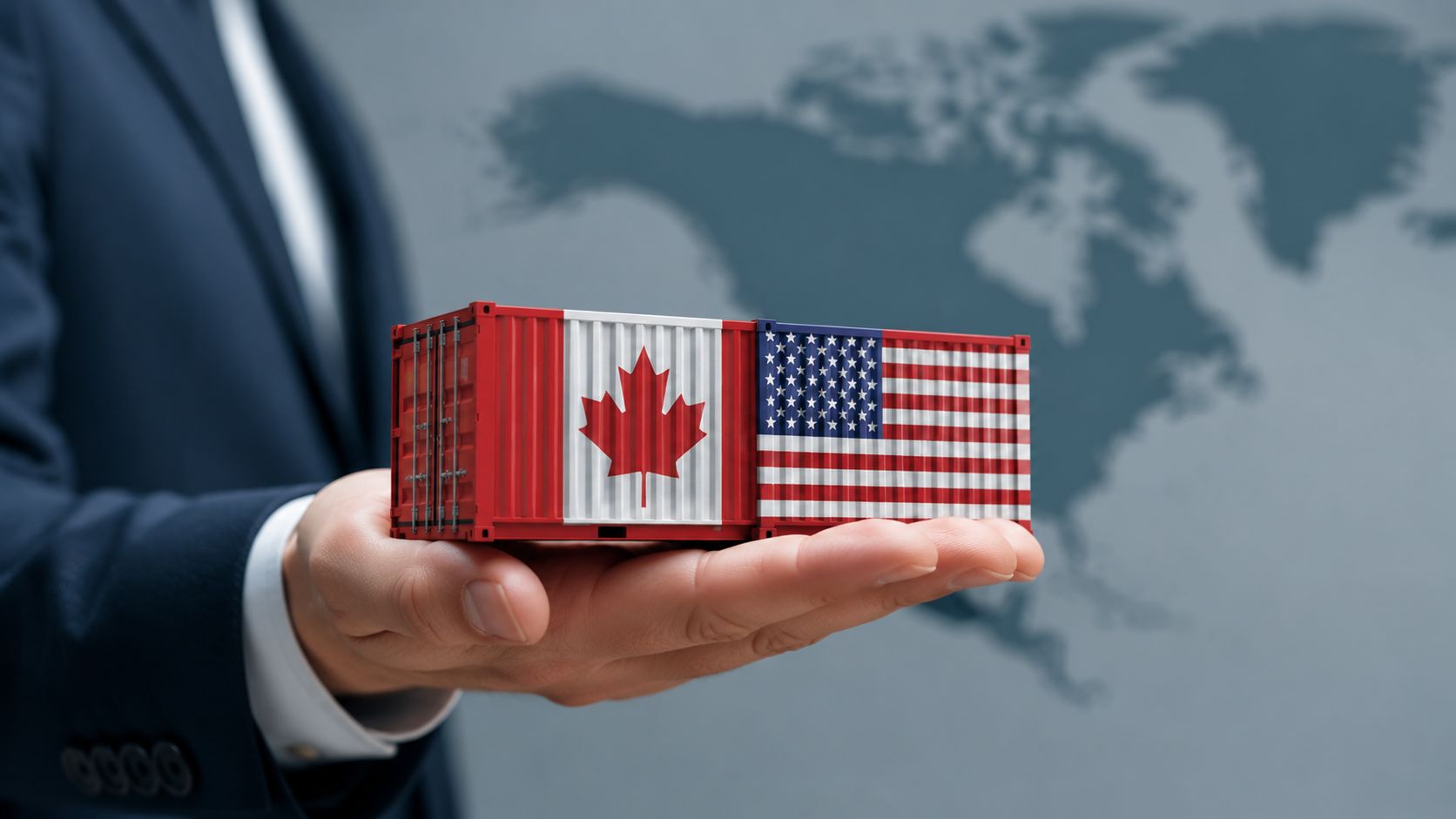
However, tariff codes are not just about sorting items into categories; they are tied to bigger issues like trade disputes and changing government policies. For example, recent trade tensions between Canada and the U.S. have affected tariffs and how goods are taxed.
In this blog, we will explain why tariff codes are so important, how they impact cross-border business, and how they can save you time and money if understood well.
What Tariff Codes Are (And Why You Should Care)
Tariff codes are basically numbers that describe what goods are being imported or exported.
Think of them like a barcode at a grocery store, but instead of scanning for prices, they help customs identify the classification of goods, decide duty rates, and even flag restricted items.
For instance, if a business imports electronics, the tariff code will tell customs what kind of electronics they are, how much customs duties to charge, and if there are any restrictions.
Accurate codes enable importers and exporters to pay the right amount of import tax and avoid delays or penalties. Without them, cross-border trade organizations might end up overpaying customs duties or facing fines for misclassifying goods.
The Harmonized System: The Backbone of Tariff Codes
If tariff codes are the language of global trade, the Harmonized System (HS) is the dictionary.
The HS was created by the World Customs Organization to be a global system used to sort and describe every product traded across borders. It forms the basis for how countries, including Canada, set up their classification of goods.
Here is how it works:
- The first six digits of a tariff code are the same almost everywhere in the world. That means if international trade businesses ship a bicycle from Canada to Germany, both countries will recognize the product under the same basic code.
- However, Canada takes it a step further. We add extra numbers (subcategories) after the first six digits to include more details for taxes and regulations. These added layers help determine the exact import tax and any duties owed.
What happens when tariff codes are wrong?
When the classification of goods doesn’t match what is in the box, customs might flag the entry. That often means delays, as well as unexpected duties or extra import tax (and in some cases, both).
If the declared tariff codes lead to underpaid import tax, businesses could face audits, penalties, or even legal troubles in severe cases.
There is also the risk of reputational damage. International trade partners and clients may lose confidence in an organization that struggles with cross-border compliance.
For example, if a global electronics importer used an outdated tariff code for lithium batteries, shipments may be held at customs for a week. This can cause a sudden spike in import tax payments.
Trade Policy Shifts: Why Staying Updated Matters
Trade policies can shift quickly, and when they do, they directly affect how tariff codes, duties, and goods classifications are applied. Recent updates between Canada and the U.S. show just how fast things can change and how important it is to stay in the loop.
In early 2025, the U.S. implemented new tariffs on Canadian goods. This prompted Canada to respond with retaliatory tariffs on U.S. imports.These tariffs have been applied in phases, with Canada imposing 25% tariffs on $30 billion worth of U.S. goods as of March 4, 2025. This may expand to $155 billion if U.S. tariffs remain in place.
On April 3, the U.S. imposed a 25% tariff on passenger vehicles, light trucks, and certain auto parts imported from Canada. While vehicles compliant with the Canada-U.S.-Mexico Agreement (CUSMA) were partially exempted, non-CUSMA-compliant vehicles faced the full tariff.
In response, Canada introduced a 25% tariff on vehicles imported from the U.S., effective April 9.
For importers and exporters, even small shifts like these can throw off existing tariff codes and create room for error. For example, autos must now be carefully classified based on North American content to avoid higher customs duties. Misclassification could lead to overpayment or penalties due to underpayment.
Why Working With a Customs Broker Just Makes Sense
In international trade, managing tariff codes, duties, and import taxes is no small task.
Customs brokers are licensed experts who specialize in handling the troubles of customs clearance and the classification of goods.
Their experience ensures accurate tariff code usage and compliance with regulations, thus reducing the risks of audits or fines. They also reduce overpayment of duties and import tax, while still making sure goods are always classified appropriately to avoid missteps.
For exporters, importers, and international trade organizations keen on staying compliant while avoiding delays, penalties, or costly errors, a skilled broker is a smart choice.
Smooth Sailing Starts With J.W. Smith
When it comes to customs clearance processes, which also entail tariff codes, businesses across Canada trust J.W. Smith to handle the details. Our experienced team takes care of all the paperwork to ensure everything is accurate and on time.
We also help with vehicle importing, whether it is cars, trucks, or snowmobiles. We are updated on tariff policy changes and will keep your goods compliant at all times.
For businesses that don’t have a physical presence in Canada, J.W. Smith’s team simplifies non-resident importing, which opens doors to all ports in Canada and the U.S. to ensure smooth sailing, no matter the destination.
Our confidence in the services offered is backed by a 100% money-back guarantee, which is a rarity in the industry.
If you are ready to ease your customs clearance process and stay compliant at all times, talk to J.W. Smith today! You can call us at 1-888-528-3059 or contact us online to speak to one of our experienced customs brokers and sail easily through international trade procedures.
Need Help with Customs?
J.W. Smith Customs Brokers has over 50 years of experience helping Canadian businesses navigate imports with confidence. Our team of licensed customs brokers is ready to assist with your import and export needs.